Quick Answer
Functional packaging—specifically airless press and pump mechanisms—is a critical structural requirement for maintaining the chemical stability of sensitive cosmetic formulas. By utilizing a one-way valve and internal piston system, these dispensing mechanisms prevent oxygen backflow, eliminate bacterial contamination from human contact, and ensure exact dosage metering. For highly reactive ingredients like L-ascorbic acid, retinoids, and complex UV filters, the mechanical architecture of the tube directly determines the actual clinical efficacy delivered to the consumer.
Key Takeaways for Skincare Formulators
- Standard open-jar and basic dip-tube designs allow continuous oxidation, degrading sensitive active ingredients by up to 65% within three months of initial use.
- Airless press systems maintain a 95%+ efficacy retention rate by creating a vacuum-sealed environment that completely blocks ambient air exchange.
- Sunscreen formulations require strict metered dosing (typically 0.2ml to 0.5ml per press) to guarantee the advertised SPF protection levels on the skin.
- Partnering with a top-tier supply chain ensures tight tolerances in pump torque and material compatibility, preventing formula leakage and plasticizer leaching.
The Mechanical Anatomy of Formulation Protection
Cosmetic chemistry has advanced rapidly, producing highly concentrated serums and creams designed to operate at the cellular level. However, a significant failure point occurs between the laboratory and the consumer's daily routine. When brands utilize traditional packaging, they expose meticulously balanced pH levels and volatile compounds to rapid degradation.
The primary enemies of clinical skincare are oxygen, light, and microbial introduction. Every time a standard screw-cap tube is opened, the negative pressure inside the container pulls ambient air back into the chamber to replace the dispensed liquid. This constant air cycling introduces oxygen and airborne pathogens directly into the active matrix.
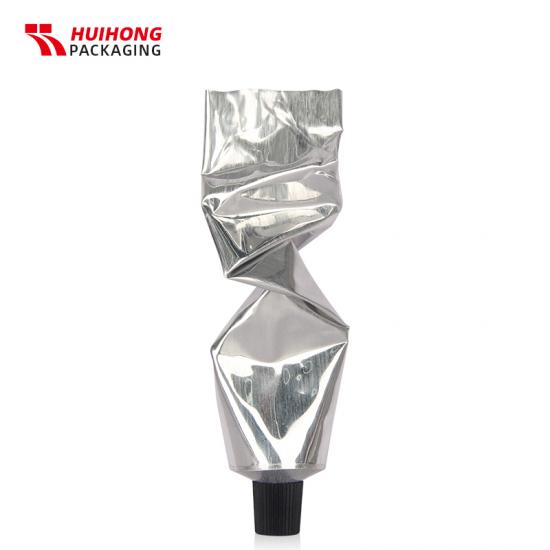
Replacing outdated formats with precise functional cosmetic squeeze tube packaging fundamentally alters the product's lifespan. An airless press system operates on a vacuum principle. The user depresses the actuator, which triggers a highly calibrated spring mechanism to dispense a specific volume of liquid through a one-way valve. Instead of air rushing in to fill the void, a small internal disc (the piston) moves upward. The formula is literally pushed out from the bottom, ensuring zero atmospheric contact from the production facility until the moment it touches the user's skin.
Data Analysis: Efficacy Retention Across Packaging Types
To quantify the impact of dispensing mechanics, laboratory stress tests measure the degradation of a standard 1% Retinol suspension across different structural designs over a 12-week simulated consumer usage period.
| Packaging Mechanism | Air Intake Volume (Per Use) | Evacuation Rate | Retinol Activity (Week 12) |
|---|---|---|---|
| Standard Open Jar | 100% Surface Exposure | ~85% | 32% Active Retention |
| Basic Squeeze Tube (Flip Top) | 0.5ml to 1.5ml Air Backflow | ~88% | 64% Active Retention |
| Standard Dip-Tube Pump | 0.2ml Air Replacement | ~90% | 81% Active Retention |
| Airless Press Pump Tube | 0.0ml (Complete Vacuum) | >98% | 96% Active Retention |
Overcoming Sunscreen Formulation Complexities
While antioxidant serums require absolute oxygen barriers, SPF products introduce unique rheological challenges. Sunscreens, particularly those utilizing physical blockers like Zinc Oxide and Titanium Dioxide, are high-viscosity emulsions prone to phase separation. If the internal channel of the packaging is incorrectly calibrated, the heavier particulates can clog the actuator, resulting in inconsistent dispensing and consumer frustration.
Dermatological research consistently indicates that consumers under-apply sunscreen by up to 50%, drastically lowering their actual UV defense. A standard flip-cap tube offers no guidance on volume. Implementing airless pump sunscreen packaging tubes corrects this user error directly at the point of application. Engineers can set the stroke volume of the pump to exact specifications (e.g., exactly 0.5ml per full depression). This functional control allows brands to instruct users accurately: "Apply three full pumps for complete face and neck coverage," eliminating guesswork and ensuring compliant SPF protection.
Additionally, chemical UV filters (such as Avobenzone or Octinoxate) can interact negatively with certain polymers, causing the plastic to warp or the formula to leach harmful plasticizers. High-end functional tubes utilize multi-layer co-extrusion technology, integrating an interior EVOH (Ethylene Vinyl Alcohol) layer that acts as an impermeable chemical and UV barrier, locking the formula safely inside.
Supply Chain Integration and Manufacturing Precision
The difference between a functional pump that feels luxurious and one that leaks under pressure comes down to tooling tolerances at the manufacturing level. Achieving a flawless vacuum seal requires micro-millimeter precision in injection molding. If the piston diameter is slightly too small, air enters the chamber; if it is slightly too large, the friction prevents the product from dispensing smoothly.
For global cosmetic brands, relying on fragmented supply chains often leads to mismatched components—where the tube sleeve is produced in one facility and the pump head in another, resulting in high defect rates during final automated filling lines.
Consolidating production with a proven custom skincare packaging manufacturer China streamlines this exact process. A top-tier facility handles the extrusion of the multi-layer tube body, the precision injection molding of the internal spring/valve systems, and the final decorative surface treatments (like soft-touch matte coatings or hot foil stamping) entirely in-house. This centralized quality control is mandatory for brands aiming for zero-defect rates and tight go-to-market timelines.
Technical FAQ
What is the primary difference between a dip-tube pump and an airless pump?
A standard dip-tube utilizes a plastic straw that pulls product from the bottom of the container, requiring air to enter the top to replace the missing liquid volume. An airless pump uses no straw; instead, a vacuum mechanism pulls an internal base plate upwards as the product is dispensed, keeping the remaining formula 100% sealed from atmospheric oxygen.
How does packaging affect product evacuation rates?
Traditional squeeze tubes often trap 10% to 15% of the product in the folds and shoulders of the plastic, requiring the consumer to cut the tube open. Functional airless press tubes scrape the interior walls clean via the rising piston mechanism, achieving evacuation rates upwards of 98%, maximizing value for the end user.
Can functional press tubes handle high-viscosity creams?
Yes. The internal pathways, valve orifice size, and spring tension can be custom-calibrated during the engineering phase. High-viscosity products like zinc-heavy sunscreens or dense night creams require a wider actuator channel and a stronger internal spring to prevent clogging and ensure a smooth, continuous ribbon of product.
Are these complex mechanisms compatible with PCR (Post-Consumer Recycled) sustainability initiatives?
Advanced manufacturing facilities can integrate PCR plastics into the outer sleeve and over-cap of functional tubes without compromising the internal mechanics. The interior layers that touch the product (including the EVOH barrier and inner PE layers) are maintained as virgin materials to ensure complete chemical safety and formula stability, striking a precise balance between eco-friendly sourcing and clinical-grade performance.